
Francis Kurkdjian is one of the most commercially successful perfumers of the past three decades, with work spanning his eponymous house (MFK), the original Jean Paul Gaultier Le Male (1995), and dozens of collaborations across luxury and niche brands. His 2014 composition Baccarat Rouge 540 has become one of the most-cited niche releases of the modern era. Below is a profile of his approach and the affordable Fragrenza alternatives that capture his most-cited compositions.
Kurkdjian’s signature aesthetic
Kurkdjian’s compositions trade on luxury craft. His best work pairs traditional perfumery materials (saffron, ambergris, rose) with modern synthetic accords (amberwood, Iso E Super) in ways that produce distinctive luxury character. Where Becker chases architectural simplicity and Momo chases lush abundance, Kurkdjian chases precision craft — every note positioned exactly where it needs to be.
Kurkdjian’s career trajectory exemplifies modern perfumery’s commercial-to-niche pipeline: he composed Le Male (one of the most commercially successful masculine launches of the 1990s) for Jean Paul Gaultier, then founded his own niche house in 2009 where he could pursue the more distinctive craft work that built MFK into a niche-luxury benchmark.
Kurkdjian’s most-cited compositions and their dupes
Baccarat Rouge 540 (MFK, 2014)
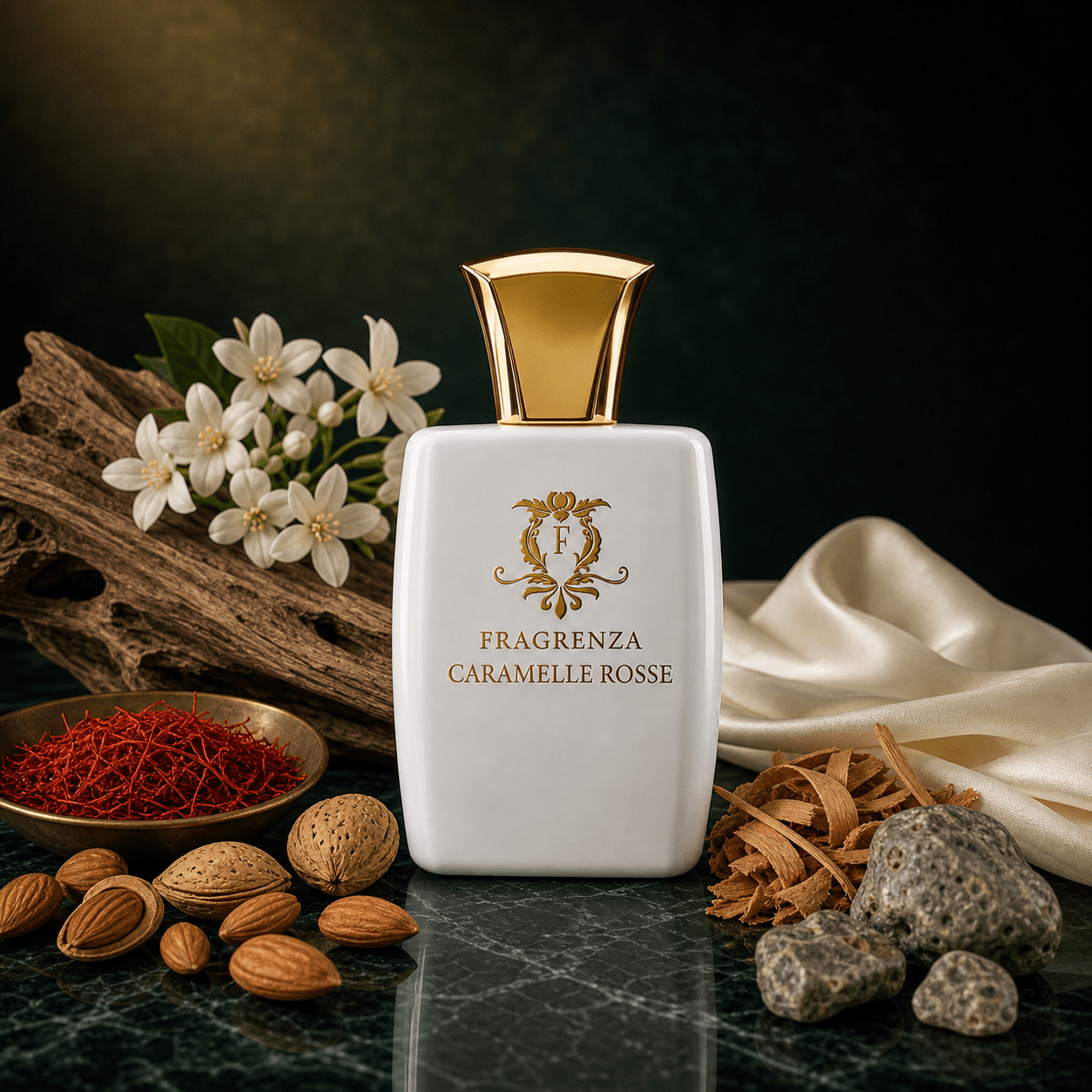
Kurkdjian’s modern masterpiece — saffron, jasmine, amberwood, ambergris, fir resin, cedar. Among the most-cited compliment-magnet niche compositions of the past decade. Captured by Maison Francis Kurkdjian Baccarat Rouge 540 dupe.
Dior Addict (Dior, 2002, with Thierry Wasser)
Kurkdjian collaborated with Thierry Wasser on this Dior feminine pillar — mandarin leaf, jasmine sambac, Bourbon vanilla. The polished minimalist architecture captures his early commercial-perfumery style. Affordably captured by Dior Addict dupe.
The Francis Kurkdjian approach
What makes Kurkdjian distinctive within modern niche perfumery is his commitment to luxury craft as marketing position. MFK as a brand positions itself at the top of the niche luxury market through both composition quality and brand presentation — the crystal flacons, the high retail pricing, the deliberately exclusive distribution.
The 2014 commission from Baccarat (to commemorate the crystal manufacturer’s 250th anniversary) was the moment that crystallized Kurkdjian’s position as a luxury-niche craft perfumer. The composition’s runaway success — and the subsequent niche-market obsession with amberwood — confirmed that luxury craft positioning, paired with substantive compositions, can produce commercial dominance.
Building a Kurkdjian-style collection
Kurkdjian’s body of work is anchored by Baccarat Rouge 540. For a Kurkdjian-style collection, start with Maison Francis Kurkdjian Baccarat Rouge 540 dupe as the foundation — among the most-recommended single niche compositions in continuous production. Add Dior Addict dupe for the polished minimalist direction (the Dior Addict era) and you’ve captured Kurkdjian’s range from commercial-craft to luxury-niche.
What Kurkdjian’s work tells us about modern niche perfumery
Kurkdjian’s career — from Le Male’s commercial dominance to MFK’s niche-luxury pricing — demonstrates that the most successful modern perfumers can navigate between commercial accessibility and niche-luxury positioning. The compositions that have made him commercially significant span both directions.
The Baccarat Rouge 540 phenomenon specifically demonstrates that the modern niche market rewards distinctive luxury — compositions that feel intentionally crafted at a premium tier rather than merely expensive. This positioning has spawned an entire generation of niche-luxury releases attempting to replicate the formula.
For wearers exploring niche-luxury perfumery, Baccarat Rouge 540 (or its dupe Caramelle Rosse) is the entry composition that defines modern niche-luxury character. From there, the catalogue opens into both Kurkdjian’s other MFK work and the broader saffron-amberwood category that BR540 inspired.